
29 Jul, 2020
Posted on 29 Jul, 2020 by Admin, Posted in Power Automate
 Blogs
Blogs
The Microsoft is improving the feature of Common data service and the CDS (Current Environment) is advance version of CDS.
Today we will see, how we can set lookup in power automate using CDS Vs. CDS (current environment) connector.
In the power automate, when we search for Common Data Service, then we can see two connectors as shown in below image.
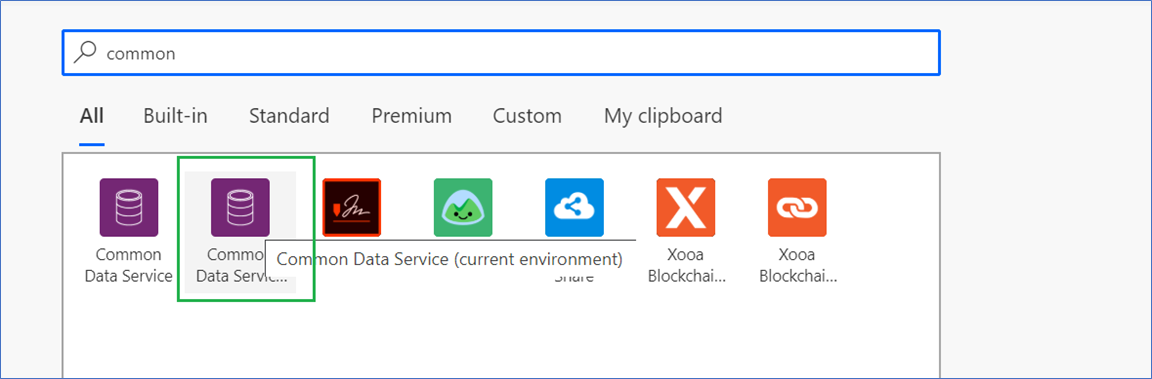
The above highlighted green part is CDS (current environment) connector.
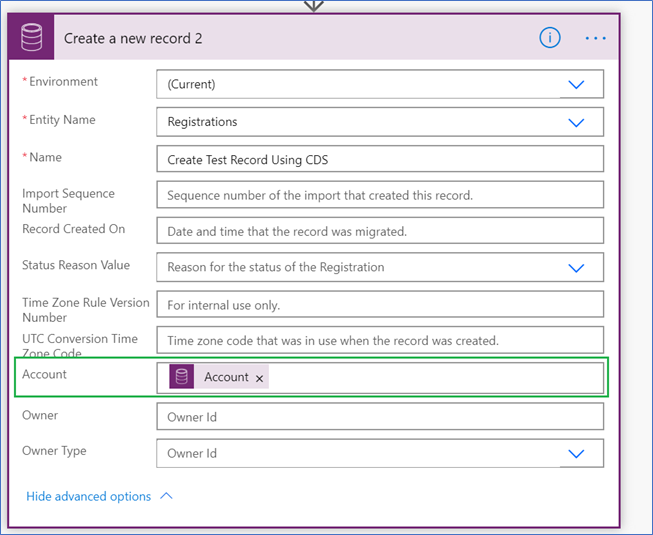

After running the above power automate the below record gets created in CRM system as shown below:
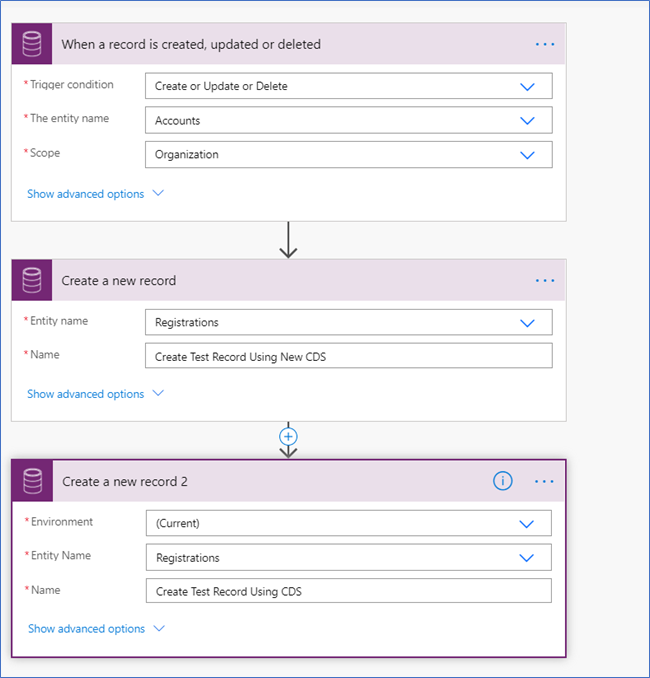
After running the above power automate the below records gets created in CRM system as shown below:

Comment
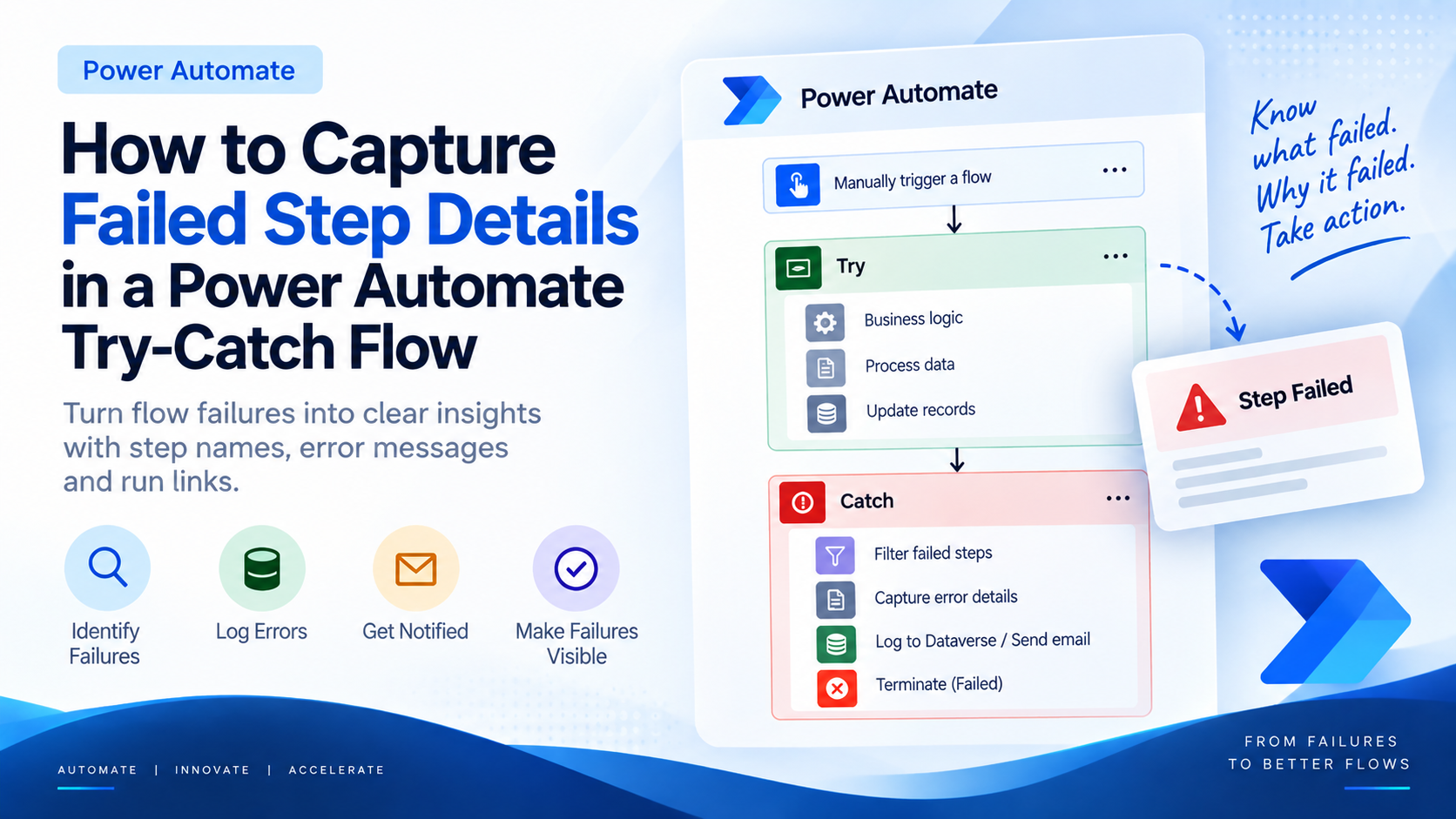
Introduction Most teams building Power Automate flows eventually land on the same pattern: wrap your business logic in a Scope,…
READ MORE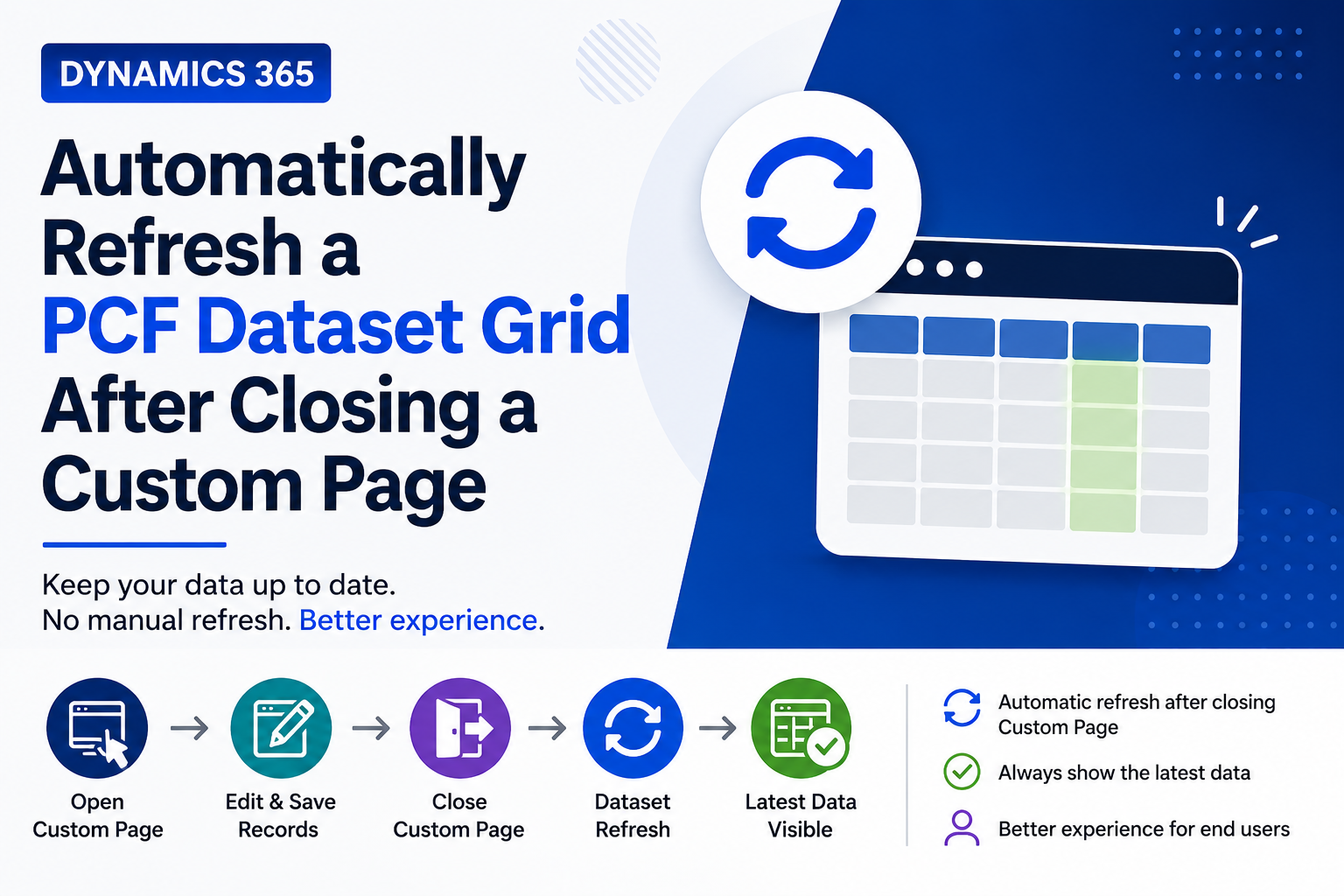
Introduction Custom Pages provide a modern way to edit records in Dynamics 365. A common approach is to open a…
READ MORE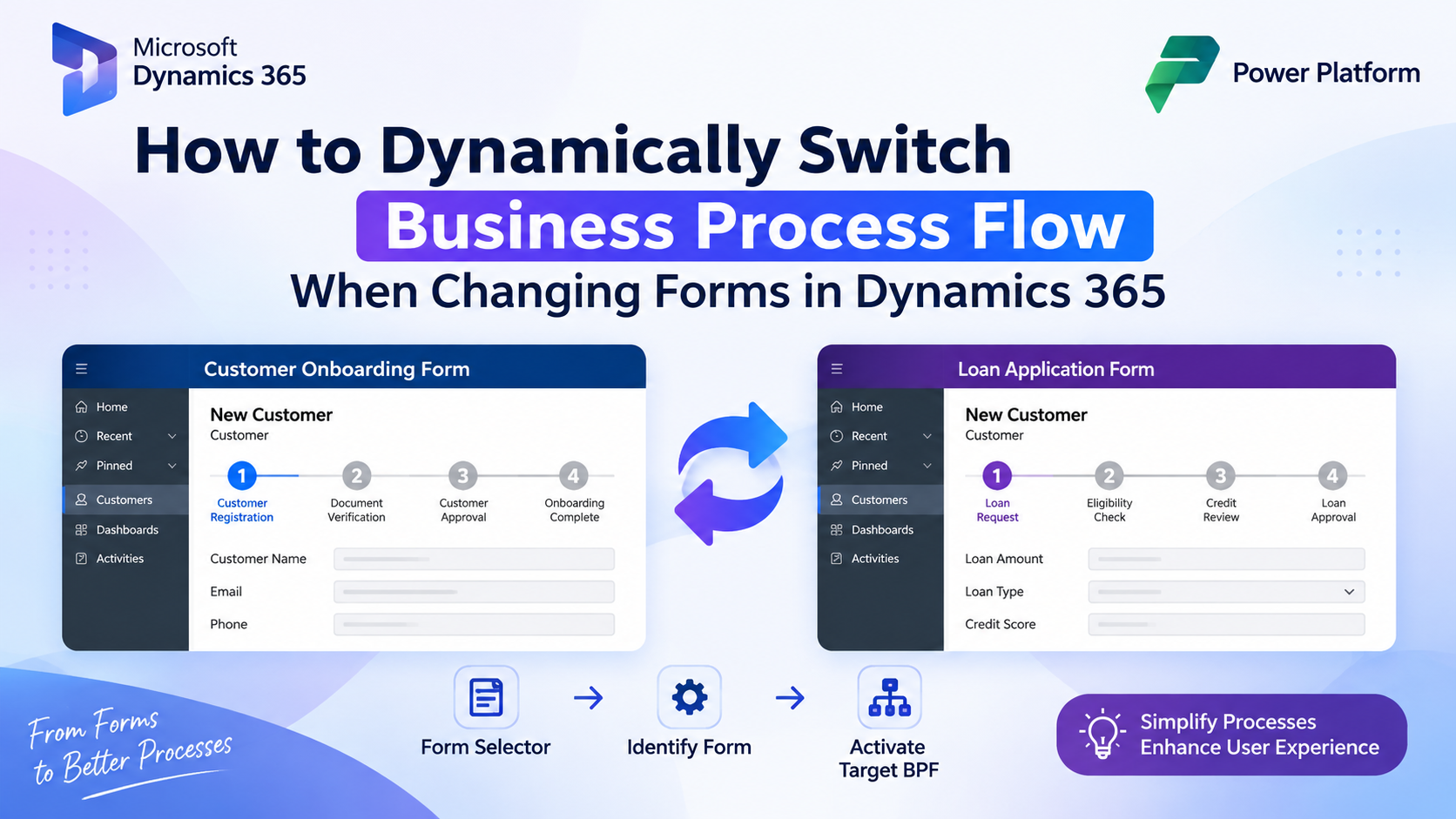
How to Dynamically Switch Business Process Flow When Changing Forms in Dynamics 365 Introduction Microsoft Dynamics 365 provides powerful customization…
READ MORE