
18 Mar, 2024
Posted on 18 Mar, 2024 by Shekhar Jain, Posted in Dynamics 365 Web Api Dynamics 365
1.png) Blogs
Blogs
In this blog, we will learn how to use aggregate in FetchXml.
1. Count
It aggregates data based on specified conditions and returns a numerical value representing the count of records meeting those conditions.
.png)
.png)
2. CountColumn
This attribute helps group data based on the values in a chosen column.
.png)
.png)
3. Sum
.png)
The "sum" function is used to calculate the total sum of numerical values within a specified column or attribute.
.png)
4. Avg
The "avg" function calculates the average value of numerical data within a specified column or attribute.
.png)
.png)
5. Min
The "min" function retrieves the minimum value of numerical data within a specified column or attribute.
.png)
.png)
6. Max
The "max" function retrieves the maximum value of numerical data within a specified column or attribute.
.png)
.png)
Below are points to note that differ from a regular query.
.png)
Comment
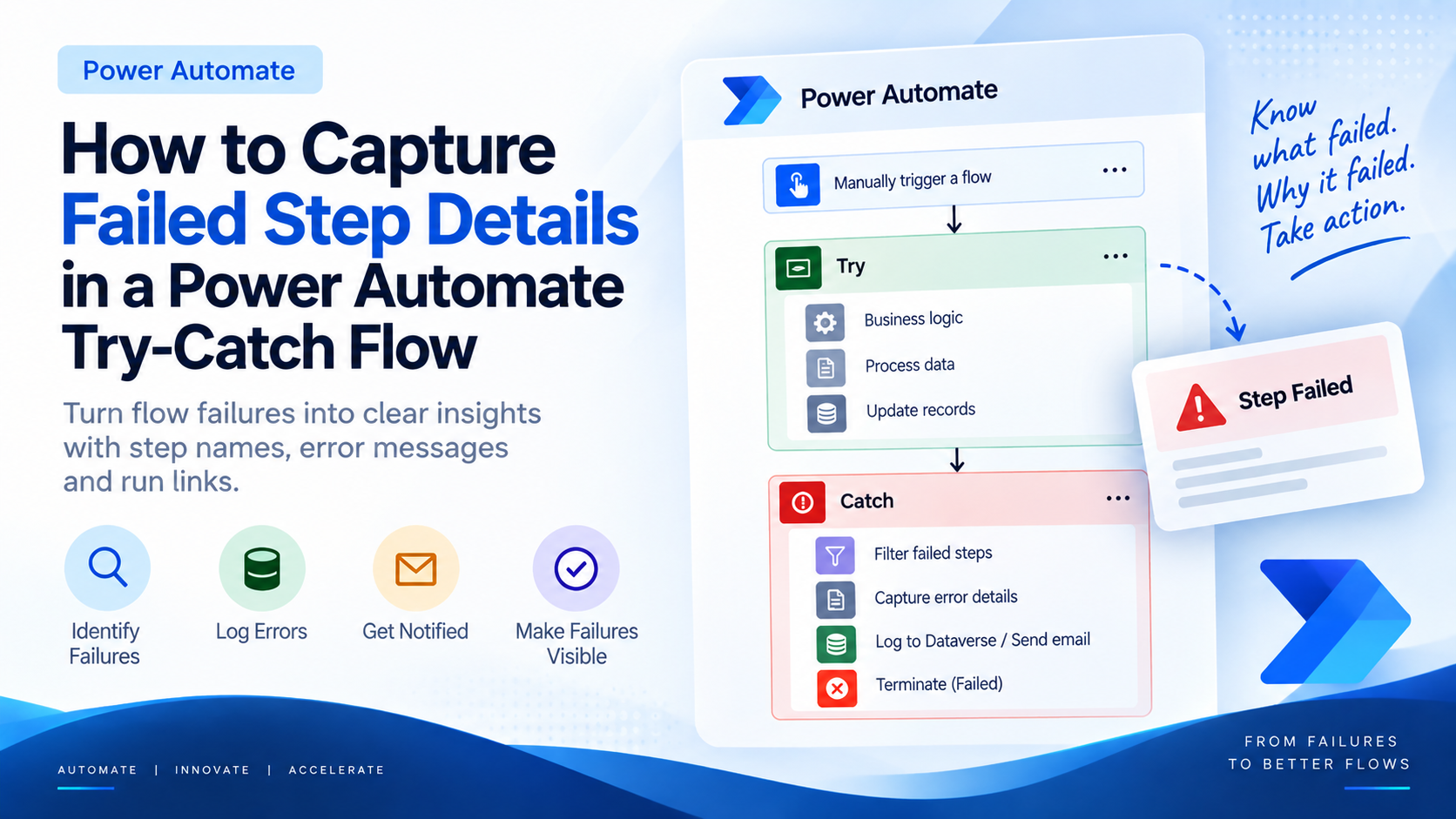
Introduction Most teams building Power Automate flows eventually land on the same pattern: wrap your business logic in a Scope,…
READ MORE
Introduction Custom Pages provide a modern way to edit records in Dynamics 365. A common approach is to open a…
READ MORE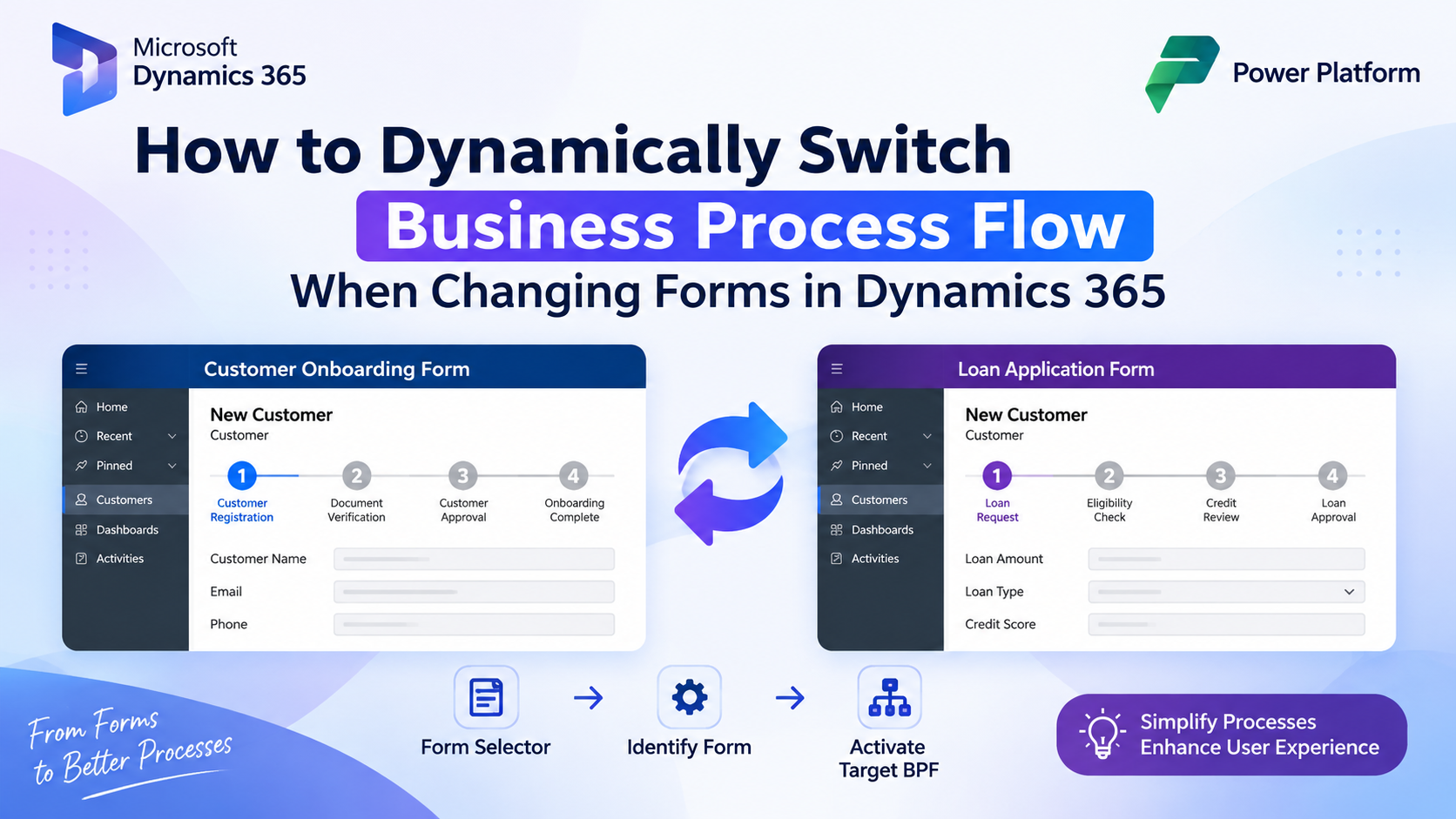
How to Dynamically Switch Business Process Flow When Changing Forms in Dynamics 365 Introduction Microsoft Dynamics 365 provides powerful customization…
READ MORE